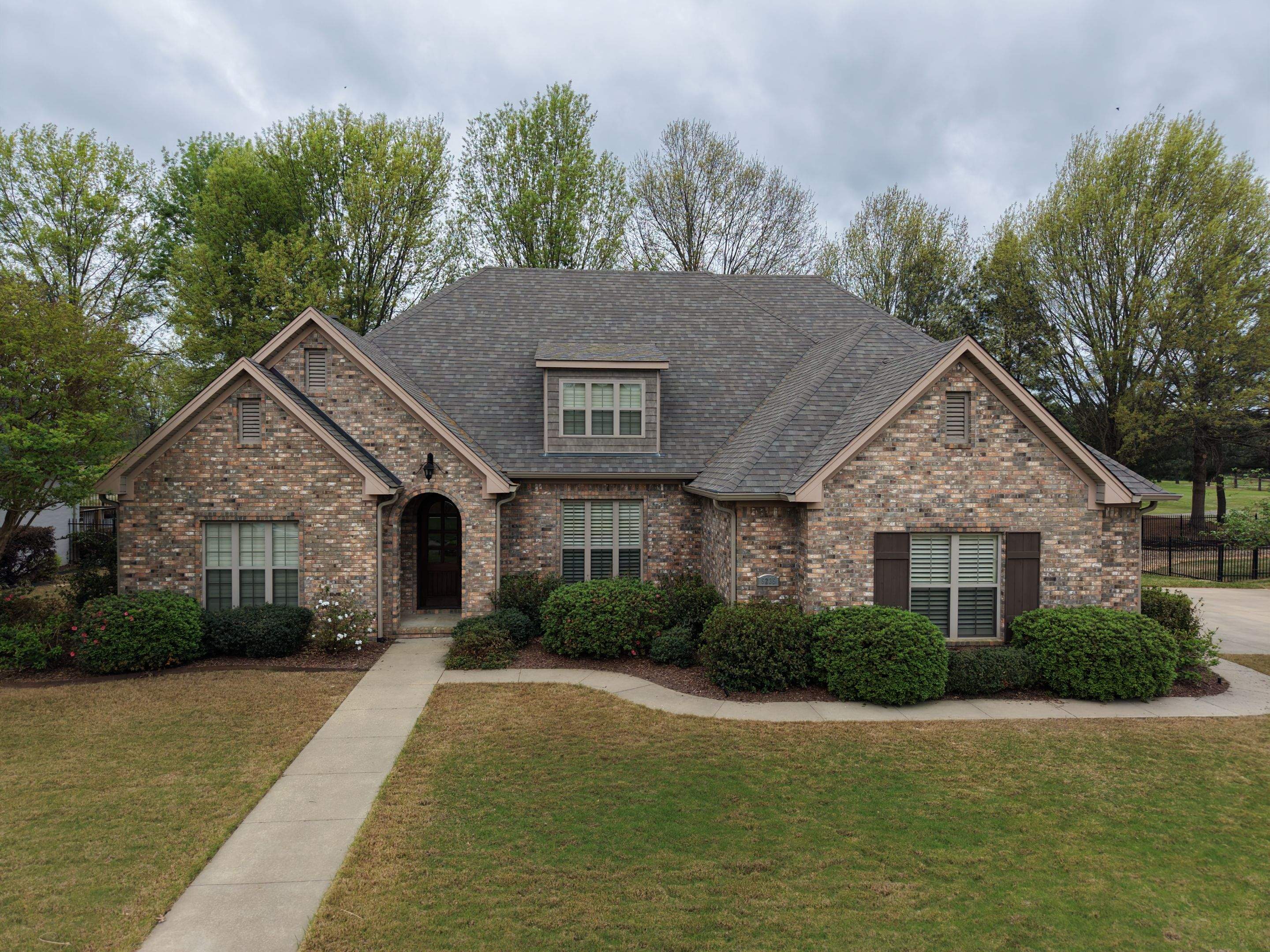
How Weather Patterns Impact Roof Longevity: Advice for Homeowners Sep 11, 2026
Start by considering the effects of extreme temperatures. Roofs endure significant stress during harsh winters and summers, with high thermal fluctuations causing materials to expand and contract. This cycle can weaken shingles and other roofing components, leading to cracks and leaks. Homeowners in areas with fluctuating temperatures should conduct regular inspections to catch early signs of wear and tear.
During the summer, UV rays can contribute to the deterioration of roofing materials. Prolonged exposure to the sun can cause shingles to dry out and become brittle, making them more susceptible to breakage. Light-colored and UV-resistant materials can minimize this impact, reflecting more sunlight and reducing heat absorption.
Rainfall is another factor that can affect your roof's longevity. Heavy rain can test the integrity of your roof, exposing weaknesses or inadequate waterproofing. Water can seep into small gaps or cracks, leading to mold growth and structural damage over time. High-quality waterproofing measures and regular drainage maintenance are essential for preventing water damage and ensuring your roof lasts longer.
Wind also poses a significant threat, especially during storm seasons. High winds can lift or tear off shingles, leaving the structure beneath exposed to the elements. Wind damage often results in immediate and serious problems, necessitating prompt repairs. Regularly checking and securing shingles can help mitigate this kind of weather-induced damage.
In certain regions, snow and ice accumulation can lead to a phenomenon known as ice damming. Ice dams form when snow on the roof melts due to rising interior heat, then refreezes at the eaves. This can prevent proper drainage and cause water to back up into the roof, resulting in leaks and interior damage. Adequate insulation and ventilation are vital to preventing such scenarios.
Each weather condition places unique demands on your roofing materials. Homeowners should consider resistant materials suited to their local climate. For instance, metal roofing might fare better in heavy snow regions, while asphalt shingles are often preferred in residential areas with moderate climates.
Regular maintenance remains the most effective strategy. Seasonal inspections by professionals such as Majestic Contracting Group can uncover potential problems before they escalate. Clearing debris, repairing damaged areas promptly, and reinforcing vulnerable sections are part of comprehensive roof care.
Ultimately, staying proactive is key. By understanding how weather patterns influence roof longevity, you can take preventive actions that extend the life of your roof. With expert advice from Majestic Contracting Group, homeowners can prioritize the necessary steps to protect their roofs from weather-related damage, preserving their home's safety and value.
In conclusion, paying attention to the effects of weather on your roofing system allows you to implement measures that optimize durability and performance. Whether it's reinforcing your roof against wind damage, ensuring proper drainage during rainy seasons, or selecting materials that withstand UV exposure, thoughtful planning and regular maintenance are your best defenses against the elements. Protect your roof and your home, and let experts guide you in making the most of your roofing investment.
/filters:no_upscale()/filters:format(webp)/media/d88d2307-938c-4814-a65e-071647f12dcd.jpeg)